AI product photography takes one clear photo of your product and builds new images around it: a clean studio shot, a lifestyle scene, a seasonal campaign. For a small brand, that means a full set of pictures for the website, the marketplace listing and social, without booking a studio. It works well when it is done carefully, and badly when the product on screen stops looking like the product in the box. This guide covers both.
What it is
Your real product is the fixed point. The background, the surface, the light, the props and sometimes a model are generated around it, and then a designer retouches the result so that the label, the colour and the proportions match the real thing. It is closer to a composite shoot than to pressing a button.
What you can get from one good photo
- Studio shots: the product on a clean background with proper light and shadow.
- Lifestyle scenes: on a kitchen counter, a bathroom shelf, a desk or a café table.
- Seasonal sets: Christmas, summer, Ramadan, Valentine’s Day, without reshooting each time.
- Hero images for the top of a website or an ad.
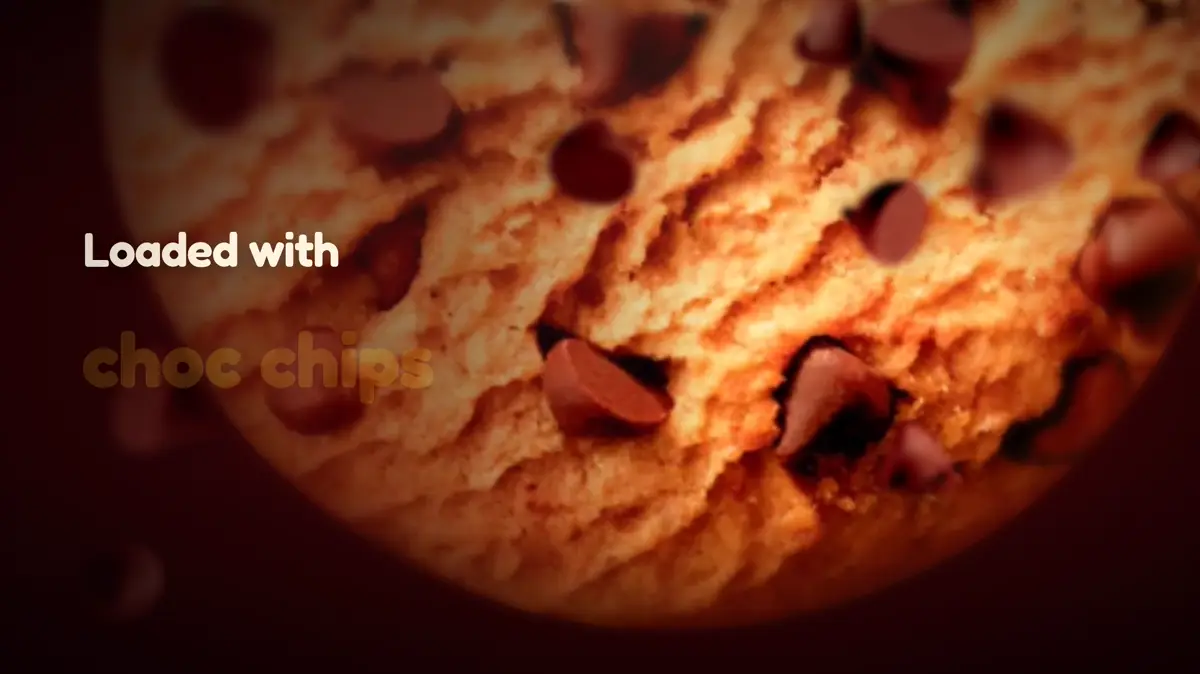
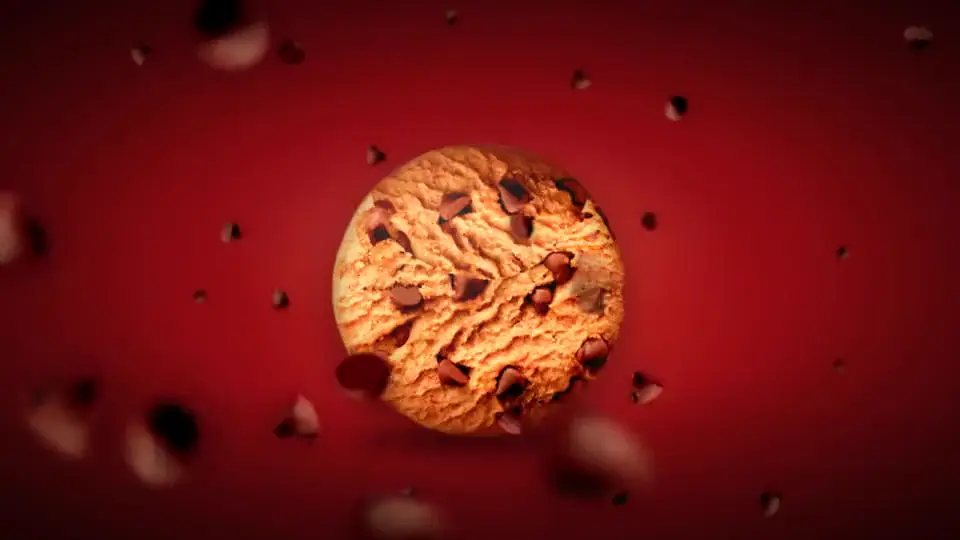
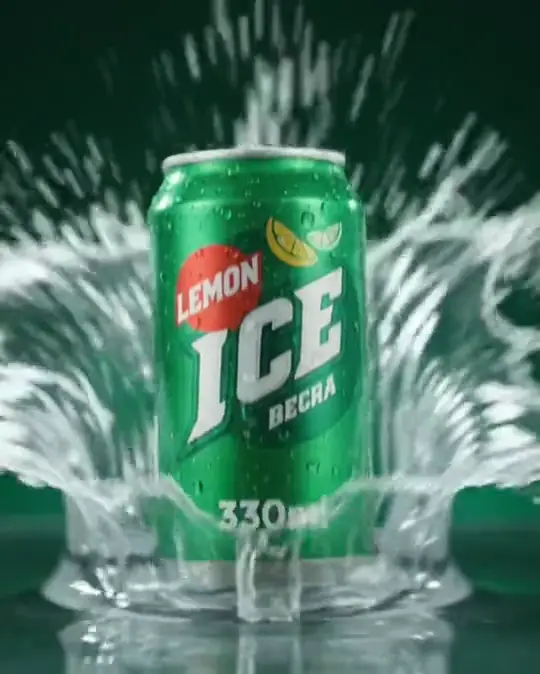
- A matching short video: the same scene with a slow push-in, a pour or a splash.
Our AI Product Photoshoot delivers 12 retouched images per product across three scenes, in 4:5 and 1:1, with a layered PSD on request.
Where it suits a small brand
- You launch new products or flavours often and cannot shoot every one.
- You need the same product in many settings for ads and social posts.
- You sell online and want consistent pictures across the whole range.
- A product is still at sample stage and you need images before the stock arrives.
Where a camera is still better
Some things should be photographed for real. Clothing has to show how it fits and falls on a body. Texture and finish, such as brushed metal, knitted wool or the exact shade of a lipstick, are hard to prove any other way. Very fine or reflective details, like jewellery and watch faces, also need care. In those cases a real shoot for the key images, with AI scenes built from them, gives you the best of both.
Keeping the product accurate
This is the part that separates useful AI photography from the kind that causes returns and complaints. An image that makes a product look bigger, fuller or different from what arrives is misleading, and UK advertising rules apply to pictures as much as to words. In practice that means:
- The label, logo and any text are rebuilt by hand, never left to the model.
- Colour is matched to the real product, not to what looks nicest.
- Size is kept true by showing it next to things people know.
- Nothing is added that the customer will not receive.
- If a generated model appears, it is an original face, not a real person’s likeness.
Marketplaces have their own rules
Amazon, Etsy, eBay and other marketplaces each set rules for listing images, especially the main one, which usually has to show the actual product on a plain background. Check the current rules for your category before you plan the set. A common split is a straightforward photo for the main image and AI lifestyle scenes for the rest of the gallery.
What to send
- One sharp photo of the product, straight on, in even light, on a plain background.
- A second angle if the back or the side matters.
- Your logo and brand colours.
- Three scenes or moods you would like, or brands whose pictures you admire.
- The sizes you need: website, marketplace, Instagram, ads.
The better the starting photo, the less has to be invented. There is a full checklist in what to send us before an AI product photoshoot.
From stills to video
Once the scenes exist, turning them into motion is a small step: a slow camera move, steam, a pour, a hand reaching in. Those clips make strong ads and website headers. We explain how in AI product videos from a single photo.
Getting started
Start with one product and one set of scenes, and see how the images perform before doing the whole range. The starting price and turnaround are on the pricing page, and a free 15 minute call is enough to plan the first set.