How will AI change creative work in 2027? Not by replacing the creative sector, and not by leaving it alone. The honest picture is in between: the making gets faster and cheaper, and the deciding gets more valuable. This is how it looks from inside a small video studio in London, written by people who edited and animated by hand for years before AI video existed. Where we are guessing, we say so.
The short answer
- Production time keeps falling, so more ideas get made and tested.
- Routine tasks move to AI first: rough cuts, captions, cleanup, resizing, first drafts.
- Judgement, taste and responsibility stay with people, and are what clients pay for.
- Small teams can do work that used to need a crew.
- Rules on labelling and consent become part of the job.
From making to choosing
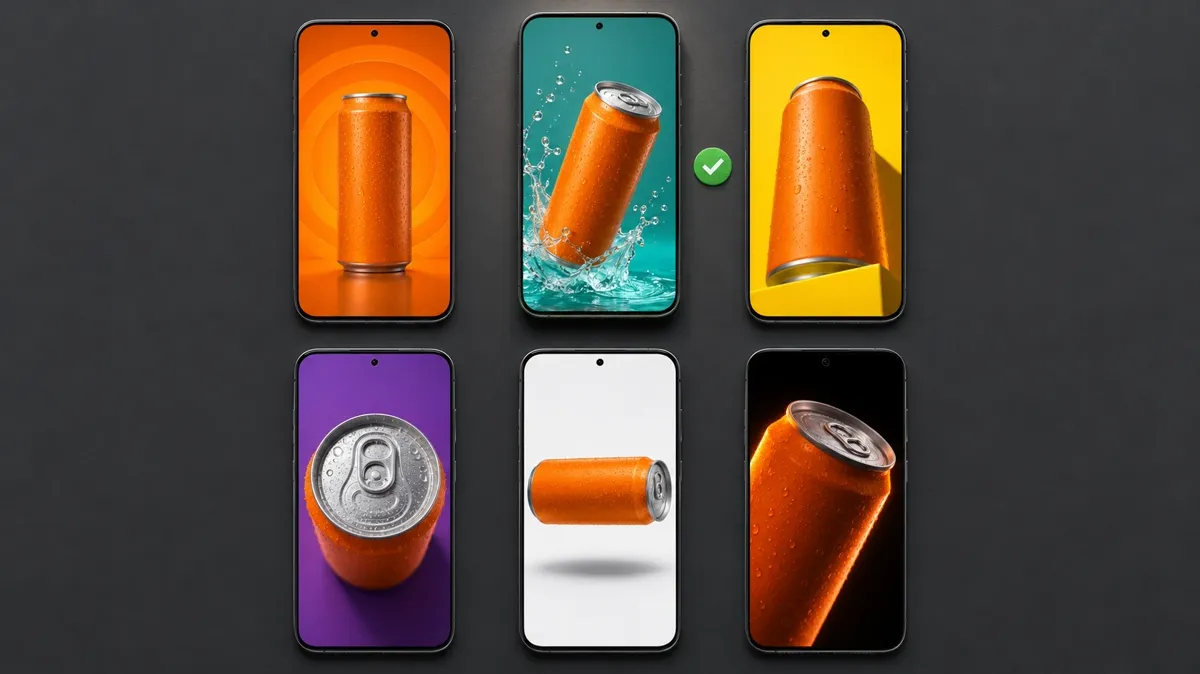
A motion designer used to spend most of a day building one shot. Now a model can offer forty versions of that shot before lunch. The work moves from producing options to choosing between them, and then fixing the one that was chosen. That sounds easier than it is. Choosing well needs the same eye that making did, and a person who has never lit, cut or animated anything usually cannot tell why take 12 is right and take 31 is wrong.
The tasks AI takes first
The pattern so far is that AI takes tasks, not whole jobs. In video, the first to go are the ones nobody enjoyed:
- Cutting silences and finding highlights in long recordings.
- Captions, subtitles and translation.
- Removing backgrounds, wires and blemishes.
- Resizing one film for every platform.
- Rough storyboards and first draft scripts.
We go through this in detail in what AI video editing can and can’t do. We expect the list to grow in 2027, with more of the rough assembly done before an editor opens the project.
What stays human
- The idea. A model can produce a hundred scripts. It cannot know which one your customers will care about.
- Taste. Pacing, type, colour and sound are decisions, and they are what separates an ad from a clip.
- Accuracy. Someone has to check that the product, the logo and the claims are right.
- Trust. A client wants a person who will answer for the work when something goes wrong.
- Real moments. A customer’s story, a live event and a founder speaking in their own words still need a camera.
Smaller teams, bigger output
A job that once needed a director, a camera crew, a studio and a week of post-production can now be done by two or three people. For brands, that means good video is within reach of budgets that used to stretch only to a photo. For the creative sector it cuts both ways: more work is possible, and fewer hands are needed for each piece. It would be dishonest to say nobody loses out. Entry-level production work is the most exposed, which raises a real question about how the next generation learns the craft.
New kinds of work
New roles are appearing alongside the old ones. Some will last, some will not, but these are the ones we already see:
- Building and maintaining a brand’s AI character or digital presenter.
- Reference and consistency work: the sheets that keep a face, a product and a set identical across shots.
- Version planning: turning one ad into many for testing.
- Compliance: recording what was generated, checking licences and managing consent.
Rules, consent and labels
Creative work in 2027 comes with more paperwork. The EU AI Act’s transparency rules for realistic AI-generated content began to apply in August 2026. In the UK, the ASA and CAP have said the existing advertising codes apply however an ad is made, so an AI ad must not mislead any more than a filmed one. Platforms have their own labels. And a real person’s face or voice needs their written consent. These details change, and this is not legal advice, but the direction is clear: studios will be expected to show their working. Ours is set out in our AI policy.
What this means if you work in the creative sector
- Learn the tools, but keep building the craft underneath them. The tools change every few months. Composition, timing and story do not.
- Show your decisions, not just your output. A portfolio that explains why is worth more than one that only shows what.
- Get comfortable directing: writing a clear brief for a model is close to briefing a junior.
- Stay honest about what was generated.
What this means if you hire creative work
- Expect faster first cuts and more options, and use the time saved on the idea.
- Ask who makes the decisions. A named person should direct and finish the work.
- Ask what was generated, which tools were used and whether they are licensed for commercial use.
- Judge the result, not the method. A good ad is a good ad.
Our seven questions in choosing a video agency in London cover the rest.
Our view
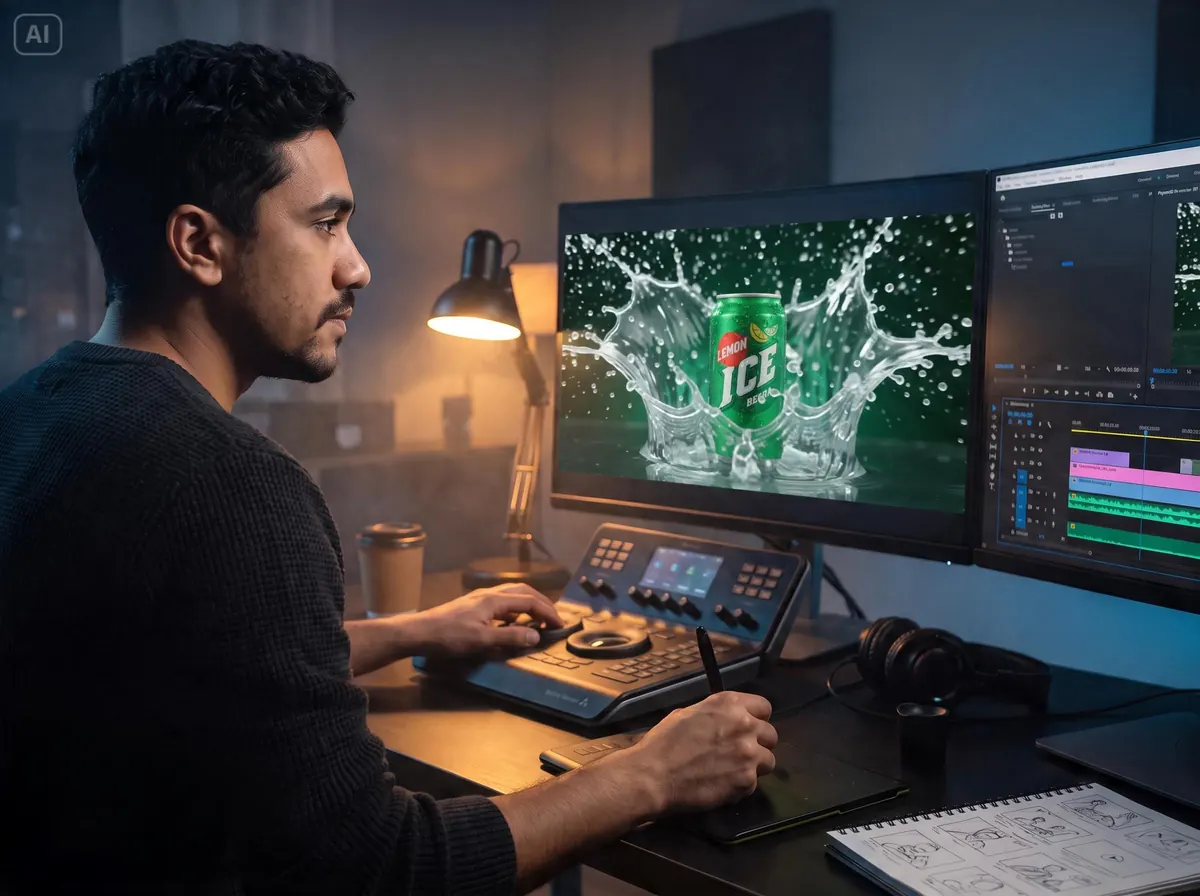
AI will not make creative work less human in 2027. It will make it more obvious which parts were human all along. The studios and freelancers who do well will be the ones who treat AI as a faster way to make, and keep a person responsible for every frame. That is how ZR Media works: AI generates, a motion designer finishes. For the wider picture of the tools themselves, read AI video trends for 2027, or book a free 15 minute call to talk about your own plans.